- Research
- Questions for Inspector Provenance
Questions for Inspector Provenance
Provenance research – the study of a work of art or cultural artefact’s history of ownership – is one of the museum’s most important tasks. It explores the biography of a work of art from the time of its creation to the present day, tracing its journey step by step from one owner to the next.
- Why do we investigate the provenance of artworks?
Why do we investigate the provenance of artworks?
Provenance research evolved as a discipline following the Washington Conference on Holocaust-Era Assets (1998) and the eleven Washington Principles that emerged from it. Among other things, it was agreed that works of art that had been confiscated by the Nazis and not subsequently returned to their owners should be tracked down. Should the pre-war owner of such an artwork confiscated by the Nazis, or their heirs, be successfully traced, immediate steps should be taken to find a just and fair outcome.
- Which key areas does provenance research focus on?
Which key areas does provenance research focus on?
There are currently four key areas of research in Germany:
- Cultural assets that were expropriated or looted during the Nazi era. These include items owned by victims of Nazi persecution and spoils of war from the occupied countries,
- Cultural assets that were seized under duress in the Soviet Occupation Zone or the German Democratic Republic,
- Cultural assets acquired overseas during colonial rule and
- Artefacts or human remains whose origin and public display are problematic.
- What research is conducted at the Museum of Art and Cultural History?
What research is conducted at the Museum of Art and Cultural History?
In principle, we focus on all art works that were created before 1945 and acquired after 1933. Our primary objective is to establish whether the object may have been seized unlawfully from victims of Nazi persecution and, if so, who the rightful owner is.
This requires an intensive examination of the artwork and a systematic analysis of the source material. It can sometimes take years to fully uncover the provenance of an object.
- What is unlawful confiscation under persecution?
What is unlawful confiscation under persecution?
Jews and any person or organisation openly critical of the regime were subjected to intense social and political persecution under the Nazi regime, with direct consequences for their financial situation. From 1933 onwards, a host of antisemitic and other discriminatory laws were passed with the specific purpose of confiscating property or harassment to such an extent that these individuals were forced to emigrate. The Reich Abscondment Tax in addition to foreign exchange controls, a legacy of the global economic crisis, were rigorously imposed and became the primary instrument for siphoning off large portions of emigrants' assets.
From 1938 onwards, the dispossession of Jewish citizens was stepped up. They had to report their assets to the authorities and pay a Jewish property levy after the November Pogroms amounting to 25% of their total assets. The Reich Ministry of Economics was also authorised to enforce the sale of property and real estate. Jewellery and works of art could only be sold through state purchasing agencies, thereby driving down prices. Whether they had emigrated or were deported, from 1941, Jews’ assets were seized by the German Reich.
The Jewish population in annexed Austria was also systematically dispossessed. Throughout the Second World War, a blatant campaign of looting took place in the countries occupied by Nazi Germany.
- Where did expropriated or looted cultural assets end up?
Where did expropriated or looted cultural assets end up?
Cultural assets, including many works of art, made their way into the hands of art dealers, then into museums or the collections of private individuals. Many Nazi politicians were enthusiastic collectors, especially Adolf Hitler and Hermann Göring. The Linz Special Commission, an informal organisation based in Dresden and answering directly to Hitler, planned a huge art museum in Linz in which to exhibit looted artworks.
- What happened after the Second World War?
What happened after the Second World War?
The Allies seized all artworks owned by Nazi politicians and the collection of the Linz Special Commission, placing them at central collecting points where they began the process of restitution. This involved investigating sources and questioning many art dealers.
- What is restitution?
What is restitution?
Restitution is the process of returning works of art to their rightful owners.
Immediately after the end of the Second World War, work began on external restitution. In the American occupation zone alone, by 1948 around 470,000 works of art and 1.7 million books had been returned to the countries from which they had been looted.
Internal restitution followed somewhat later. The victims of Nazi persecution and oppression under the German Reich were able to apply for restitution from 1947. Many Jews who had emigrated to escape persecution filed such applications and were now faced with lengthy restitution proceedings in German regional courts.
- Were assets successfully returned to their rightful owners?
Were assets successfully returned to their rightful owners?
External and internal restitution procedures were subject to regulations set by the military governments in West Germany. However, since no such provisions had existed in the Soviet Occupation Zone or in East Germany, this chapter was reopened after the reunification of Germany. The Washington Conference on Holocaust-Era Assets, held in 1998, provided the impetus for German museums to set about their own systematic research.
- Why do we investigate the provenance of artworks?
- INSPECTOR PROVENANCE’S METHODS
INSPECTOR PROVENANCE’S METHODS
- Tracing by object
Tracing by object
The aim is to collate all the information we can about the artist, as well as titles, dates, signatures, material and size. To do this, we consult inventory books, artefact cards and acquisition correspondence. Are there any discrepancies in authorship, title, material or size? To determine the identity of an artwork, we also have to investigate whether the object is a unique piece, a replica, or a numbered edition, etc.
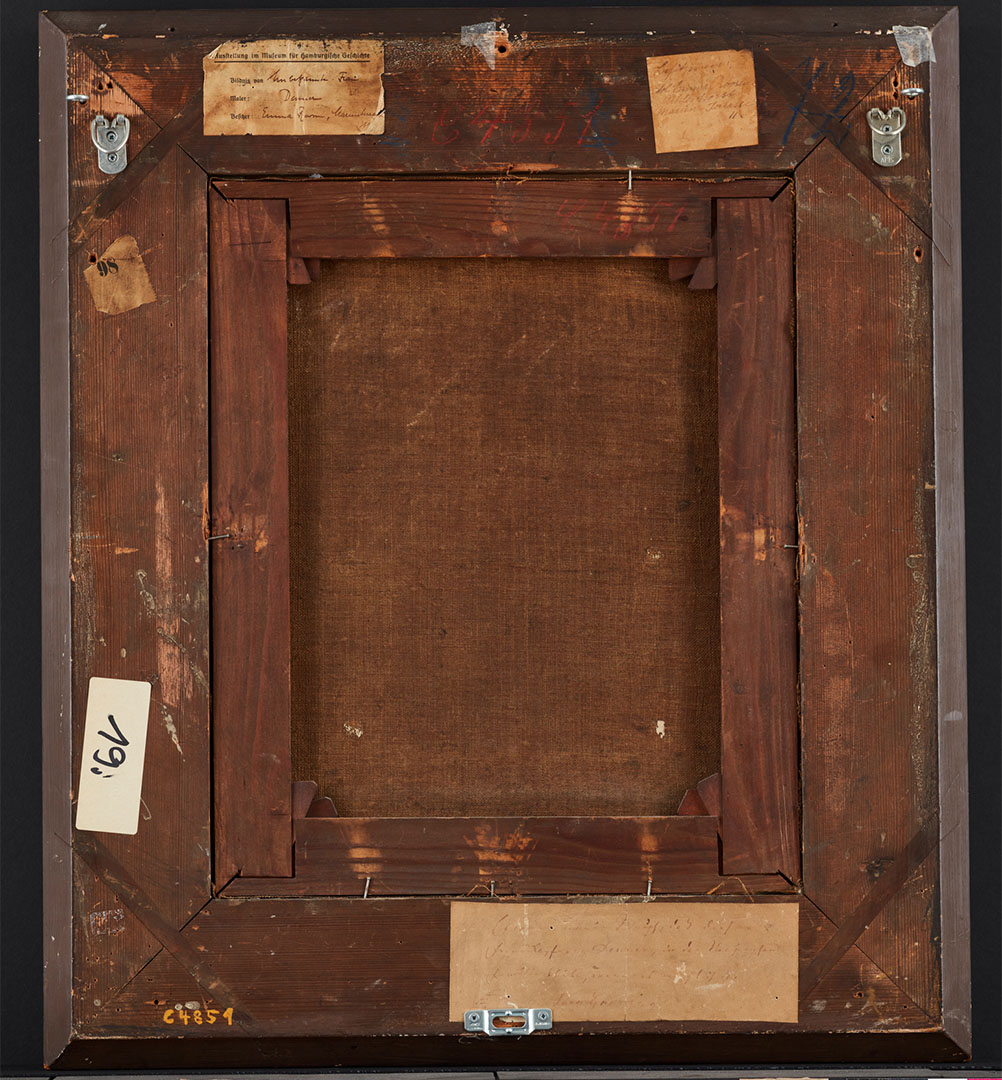
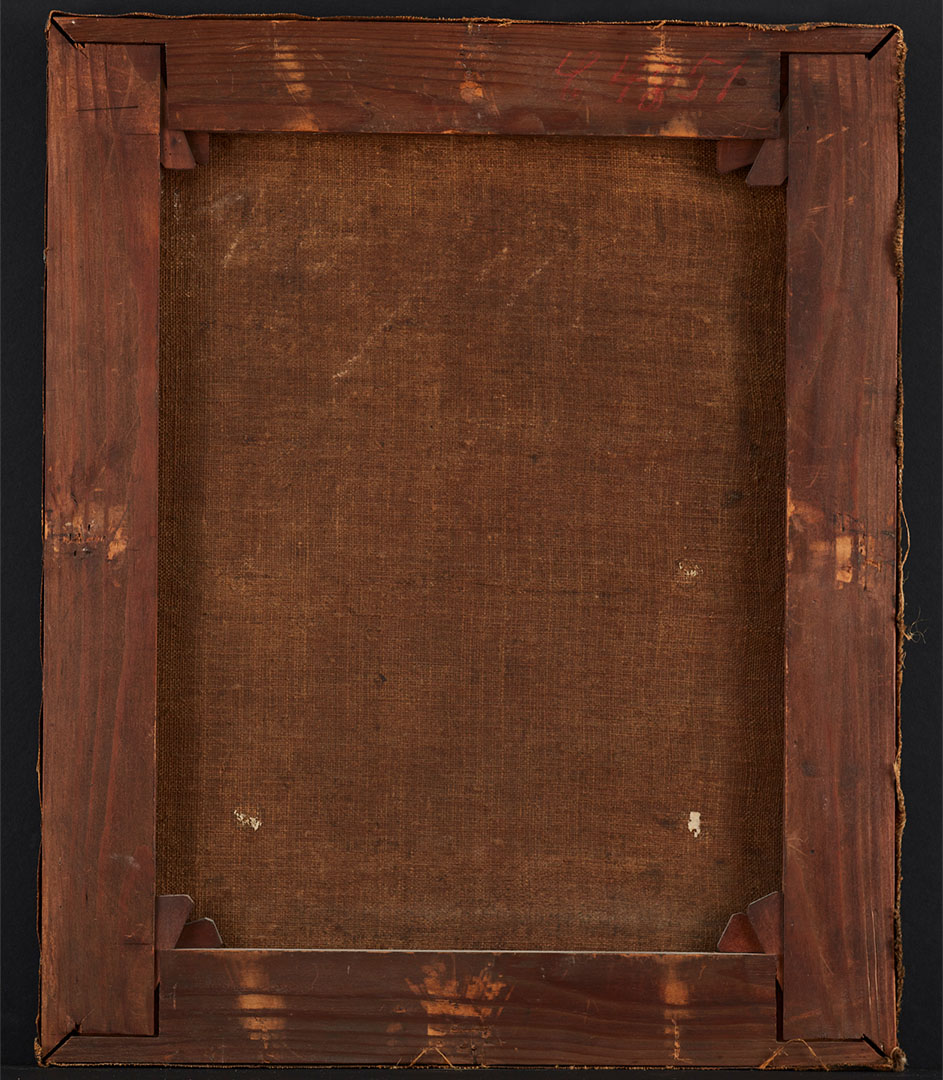
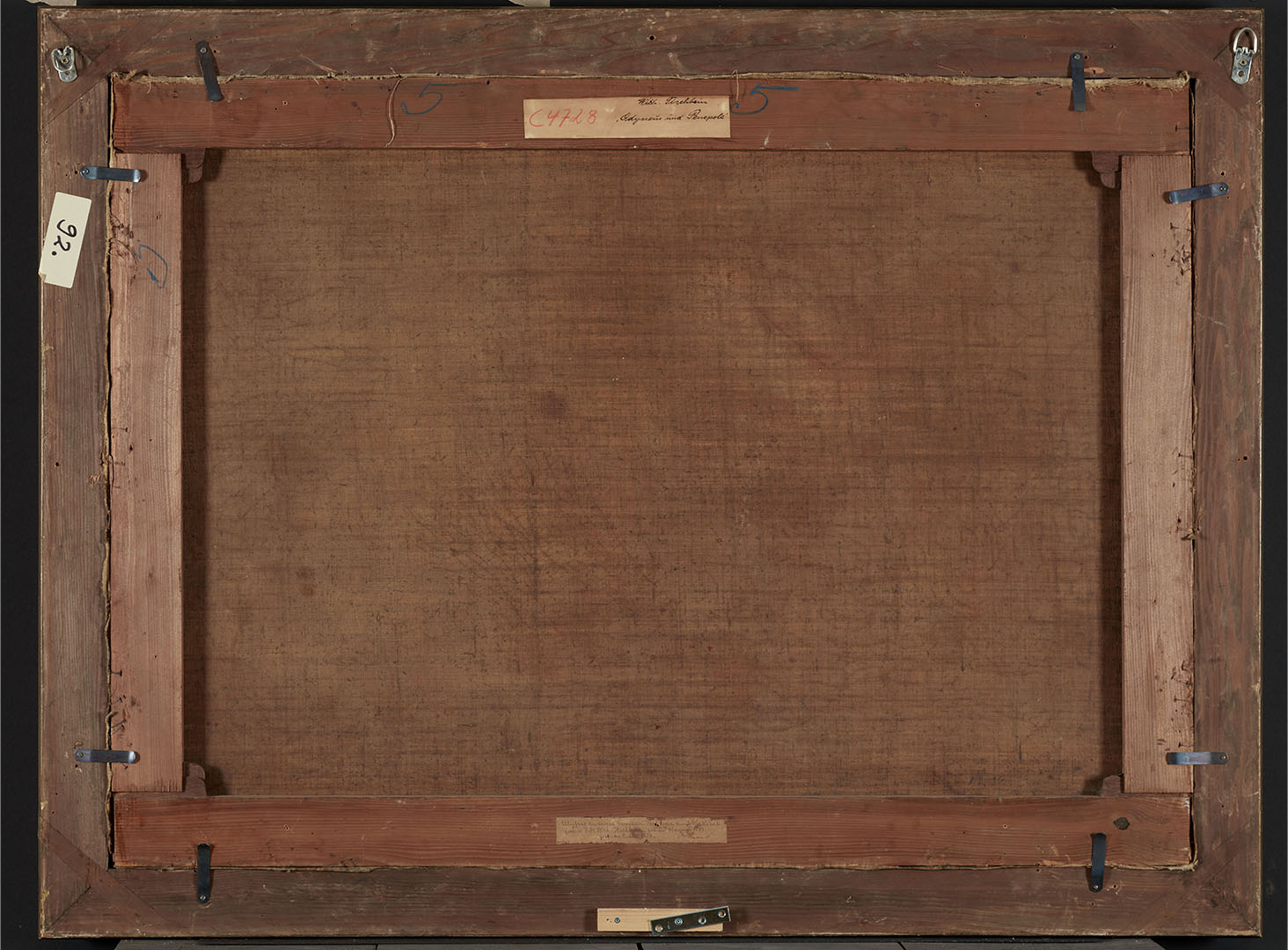
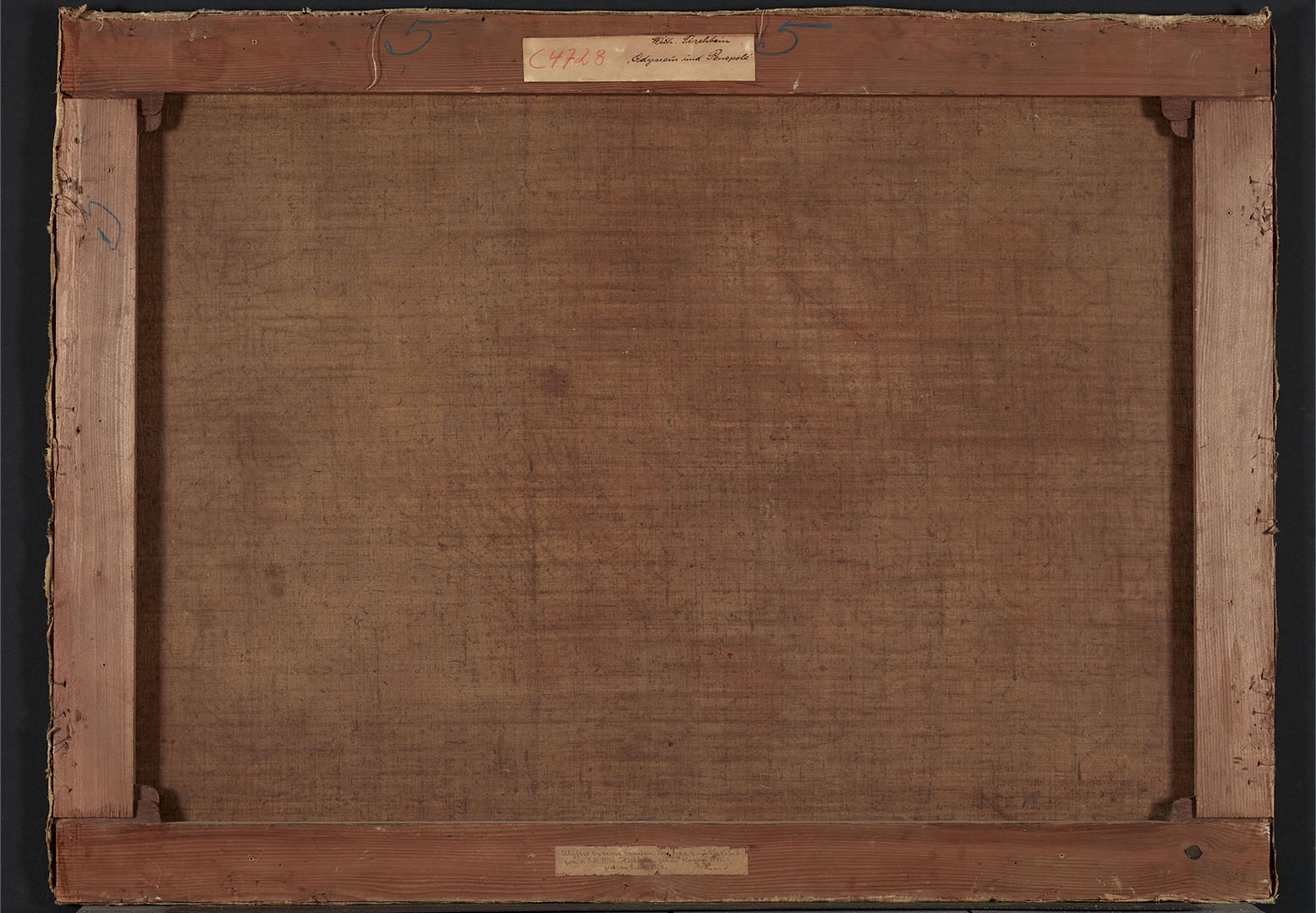
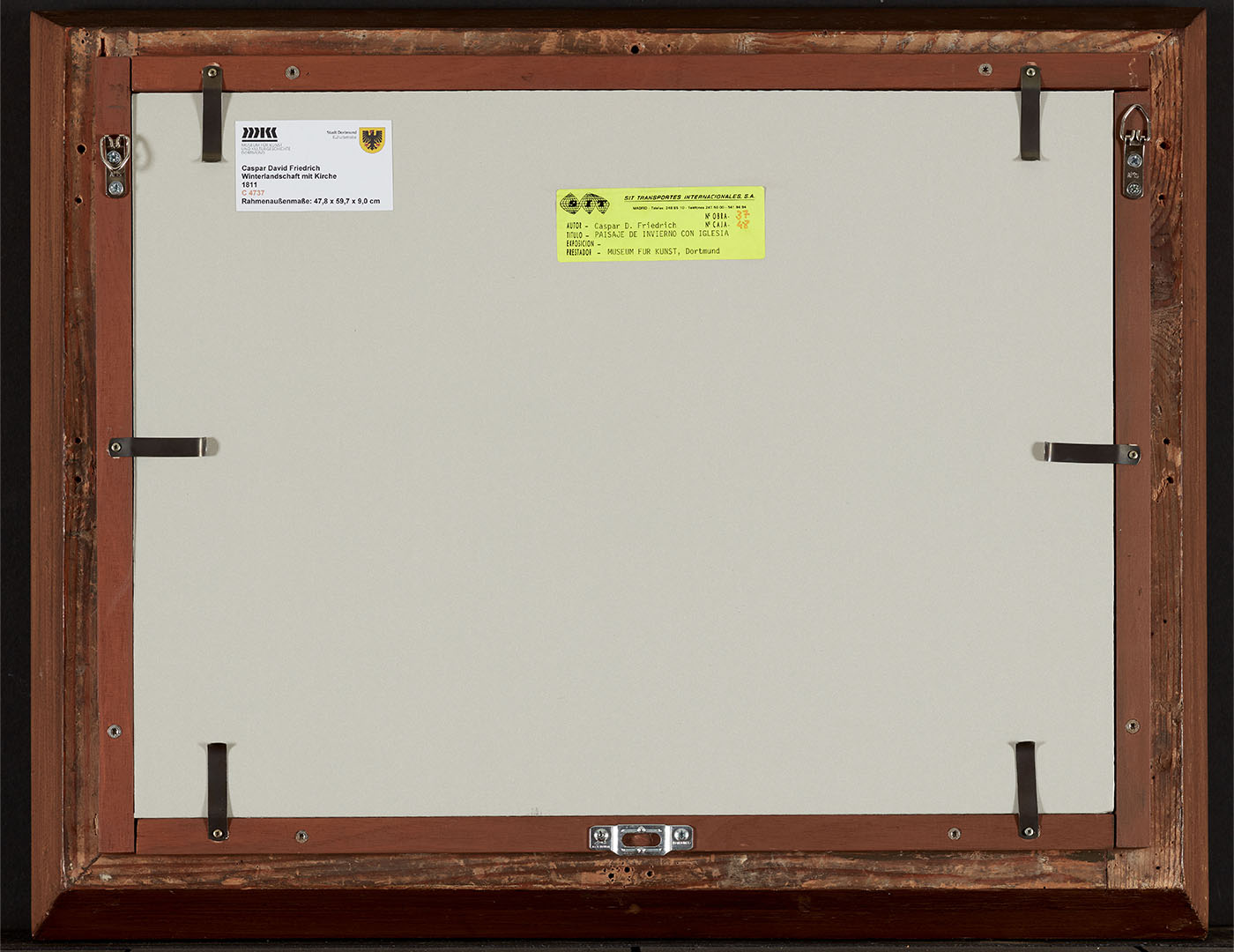
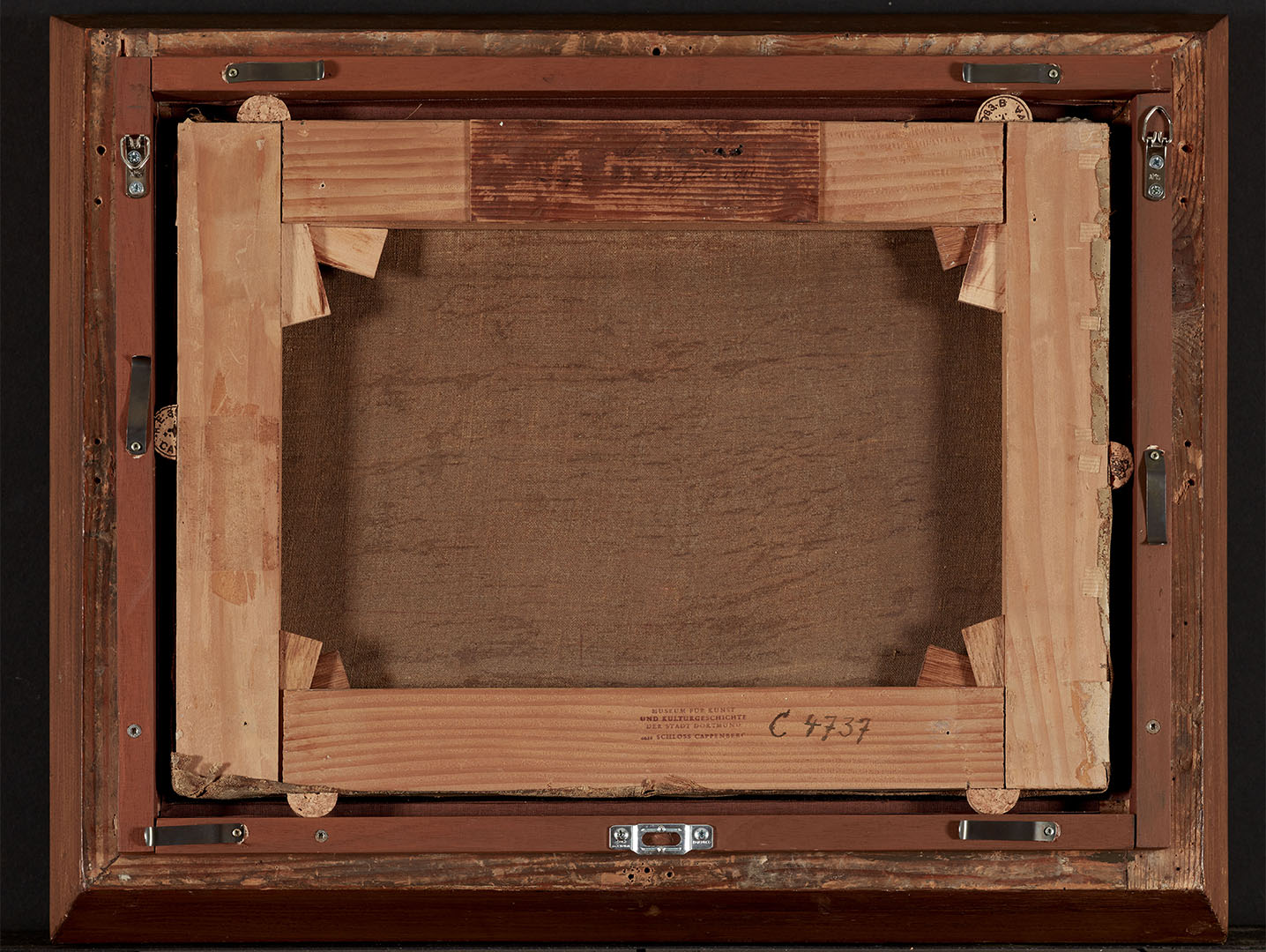
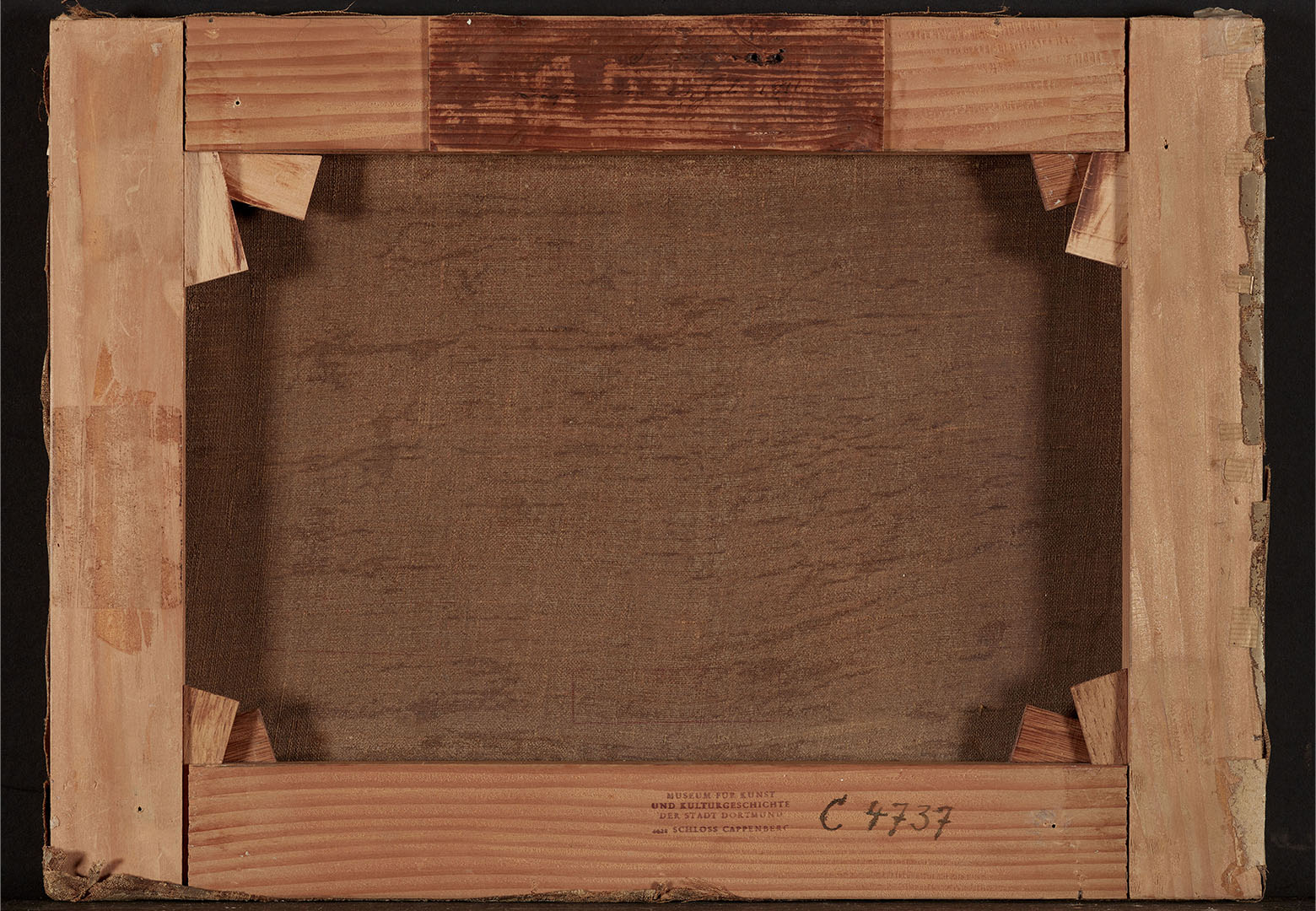
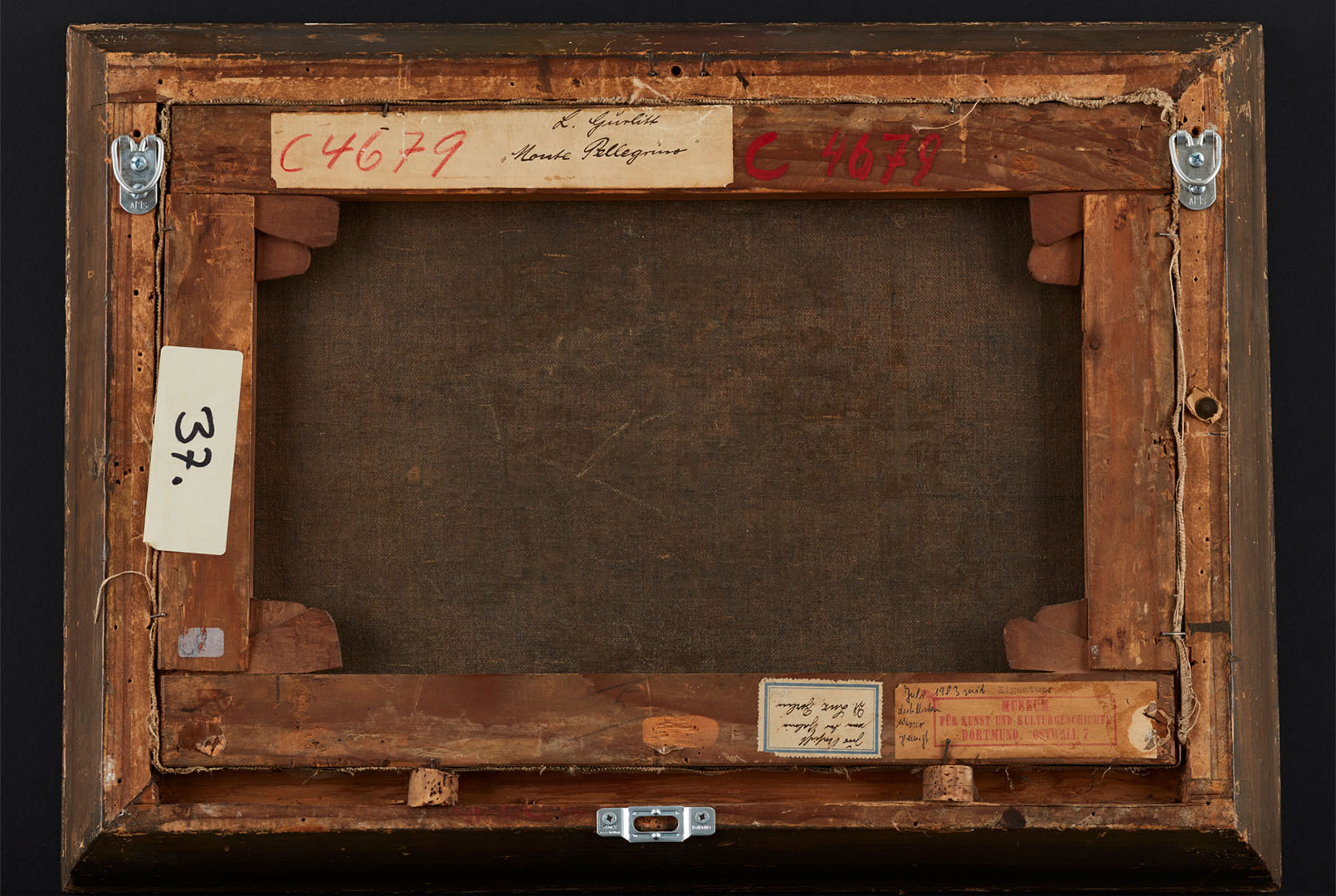
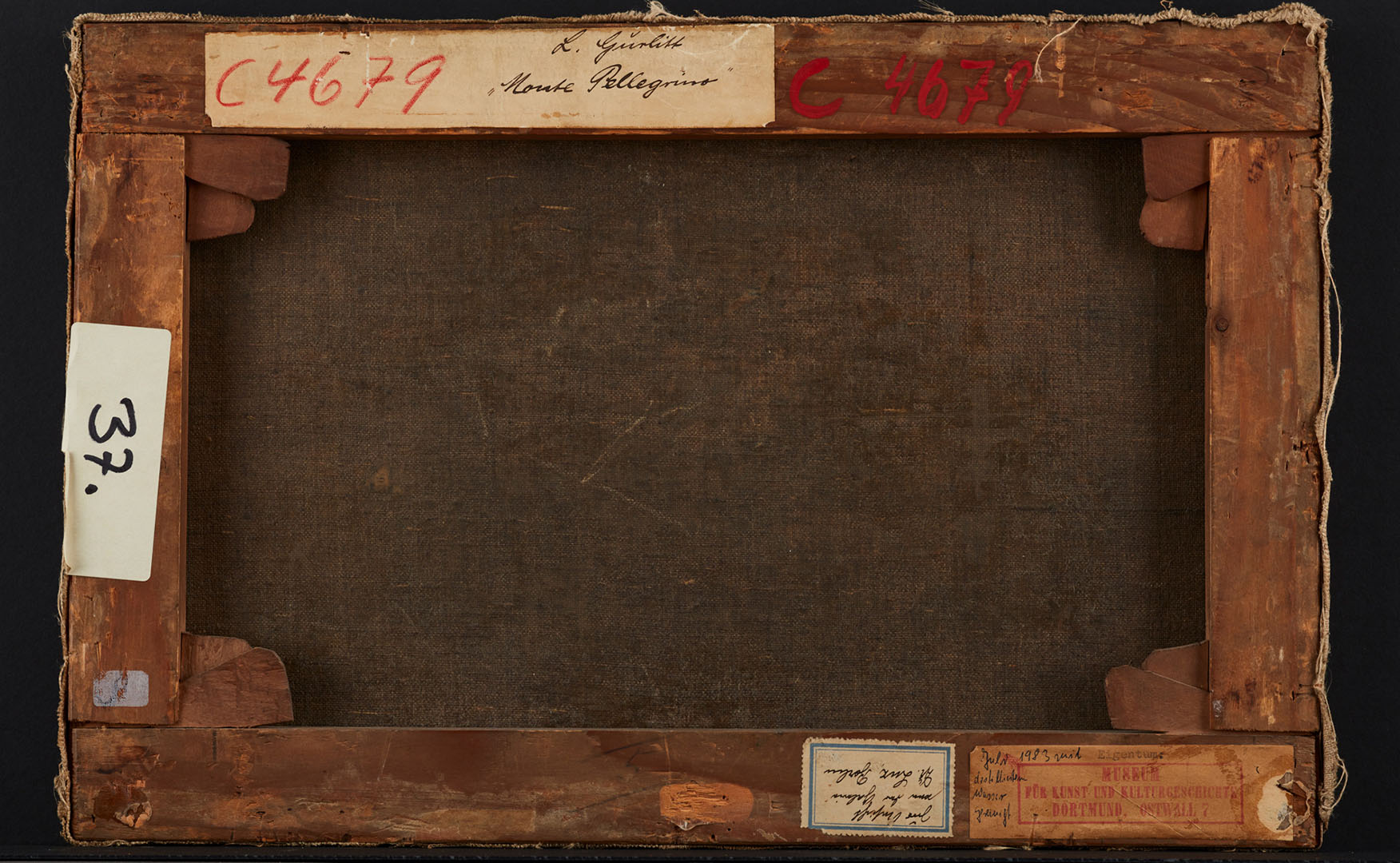
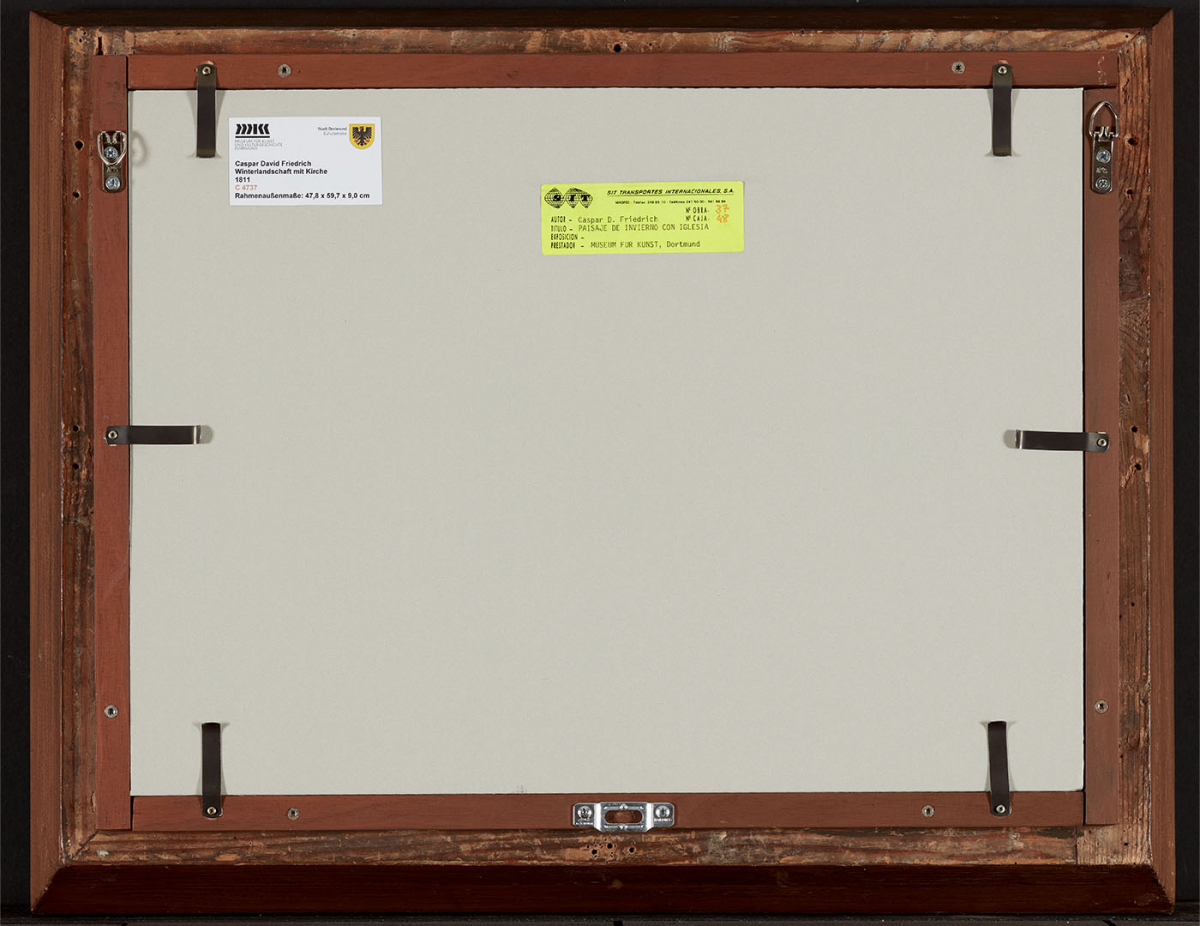
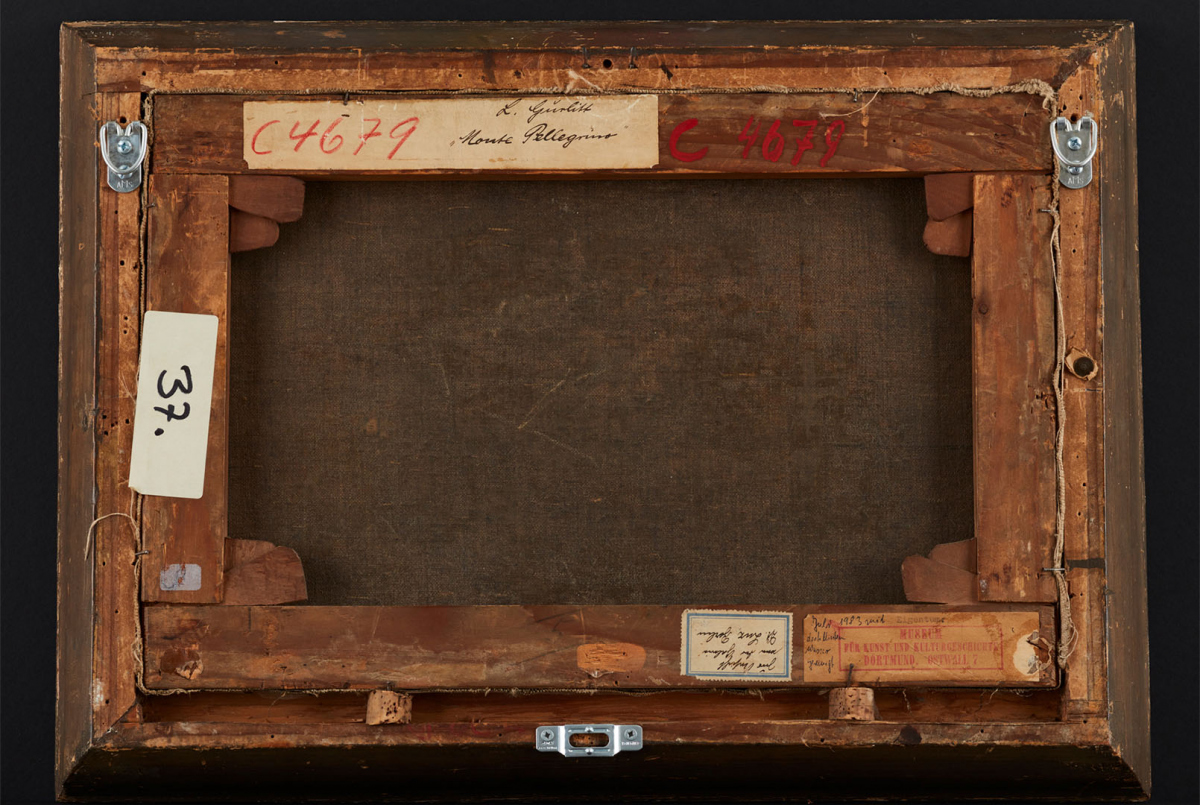
Further information emerges when provenance-related details on the objects themselves are examined and analysed. In the case of paintings and prints, we look closely at the reverse side, where numbers, labels, stamps, seals or handwritten notes can be found on stretcher bars and decorative frames, on the canvas or on paper. These may provide information about previous owners, exhibition or auction locations, transport, etc.
- Tracing via archival records
Tracing via archival records
Archival records have to be searched through meticulously. Research of city archives, regional and state archives, the Federal Archives, the Central Archives of the Berlin State Museums and the Central Archives of the German Art Trade is usually essential.
- Tracing via literature
Tracing via literature
Research of written documentation is indispensable. This includes a thorough examination of inventory, exhibition and auction catalogues, monographs and essays, which provide further information about the painting.
- Tracing via online resources
Tracing via online resources
Online resources are also important, such as German and international provenance and image databases like ERR Einsatzstab Reichsleiter Rosenberg, Fold 3, Foto Marburg, Frits Lught, Galerie Heinemann, German Sales, Getty Research, Looted Art, Lost Art, Proveana, RKD Nederlands Instituut voor Kunstgeschiedenis, etc.
- Tracing via research into individuals and institutions
Tracing via research into individuals and institutions
If the findings suggest an unlawful confiscation, for example expropriation of the object by a Nazi authority such as the Reich Chamber of Culture or the Secret State Police, then information about the victims of the expropriation is of paramount importance.
Has the injured party submitted an application for compensation? Is the property mentioned in the restitution file and are the circumstances of its confiscation by the Nazis explained? However, clarification of probable succession, examination of eligibility and entitlement and finding a just and fair outcome are only possible with legal assistance. Finally, the restitution or any alternative arrangement must be documented.
- Tracing by object
- Questions for Inspector Provenance
- Provenance research at MKK
- Import from France
Import from France
Jan 1, 1741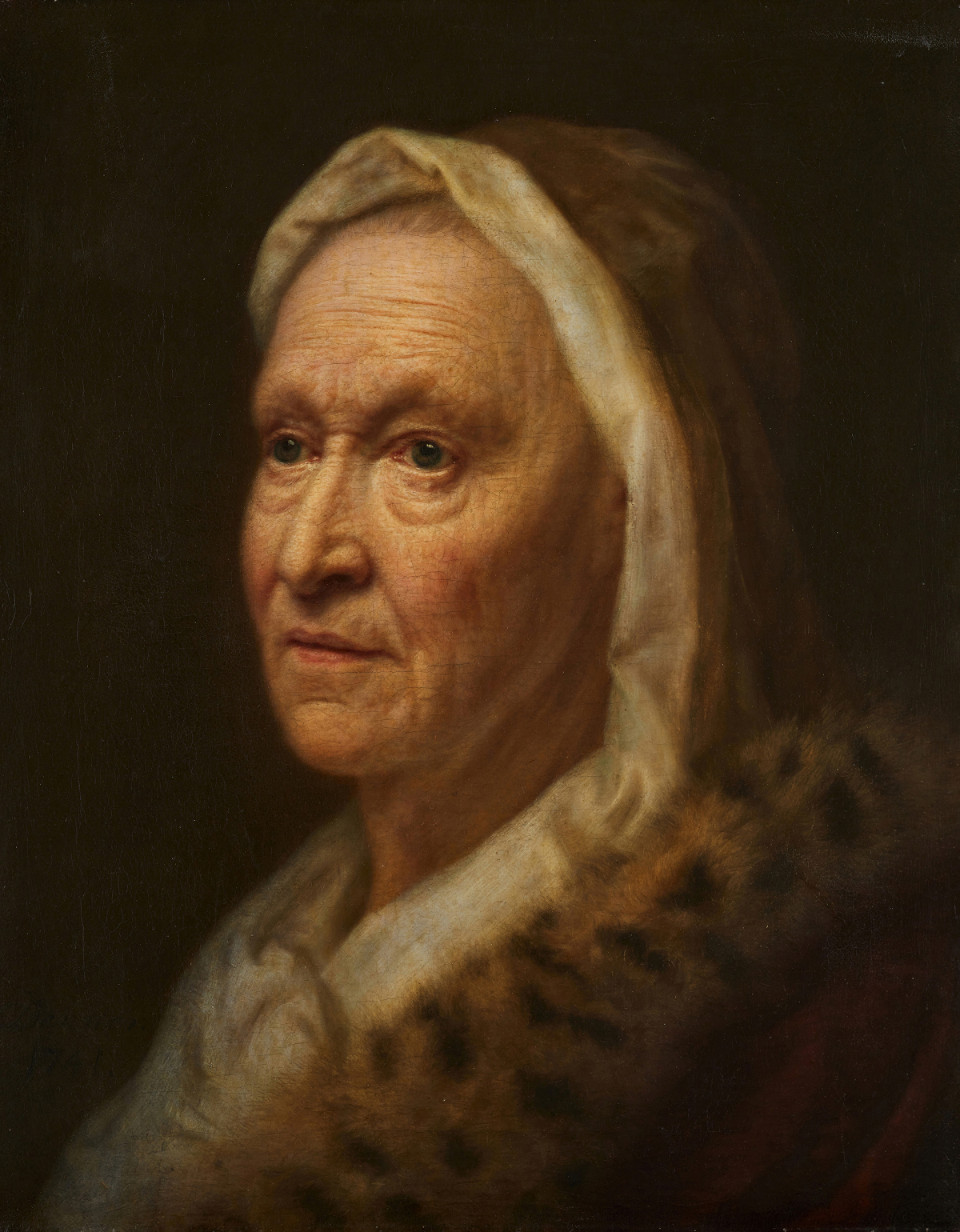
- Description
Description
As museum director in Zwickau and head of the Kunstverein in Hamburg, Dr Hildebrand Gurlitt (1895-1956) was repeatedly rejected in conservative circles. This was due to the fact that he favoured modern art. When he was forced to step down in 1933, he switched to the art trade. Despite his Jewish origins, he soon became one of the most influential dealers in the Nazi state. Against the backdrop of the Degenerate Art campaign of 1937, he was authorised to sell confiscated works. In 1943, he became the main buyer for the Special Commissioner of Linz in occupied France.
- Origin
Origin
The museum acquired three paintings from Gurlitt in Dresden in 1943, including Balthasar Denner’s Elderly Woman and Ferdinand von Rayski’s Gustav Baron von Normann. In Gurlitt's account books, the previous owner of these paintings is listed as the art dealer Theo Hermsen, Paris. However, it is likely that they had long been in Gurlitt's possession. Had an import from France been faked to obtain foreign currency?
- What does the back look like?
What does the back look like?
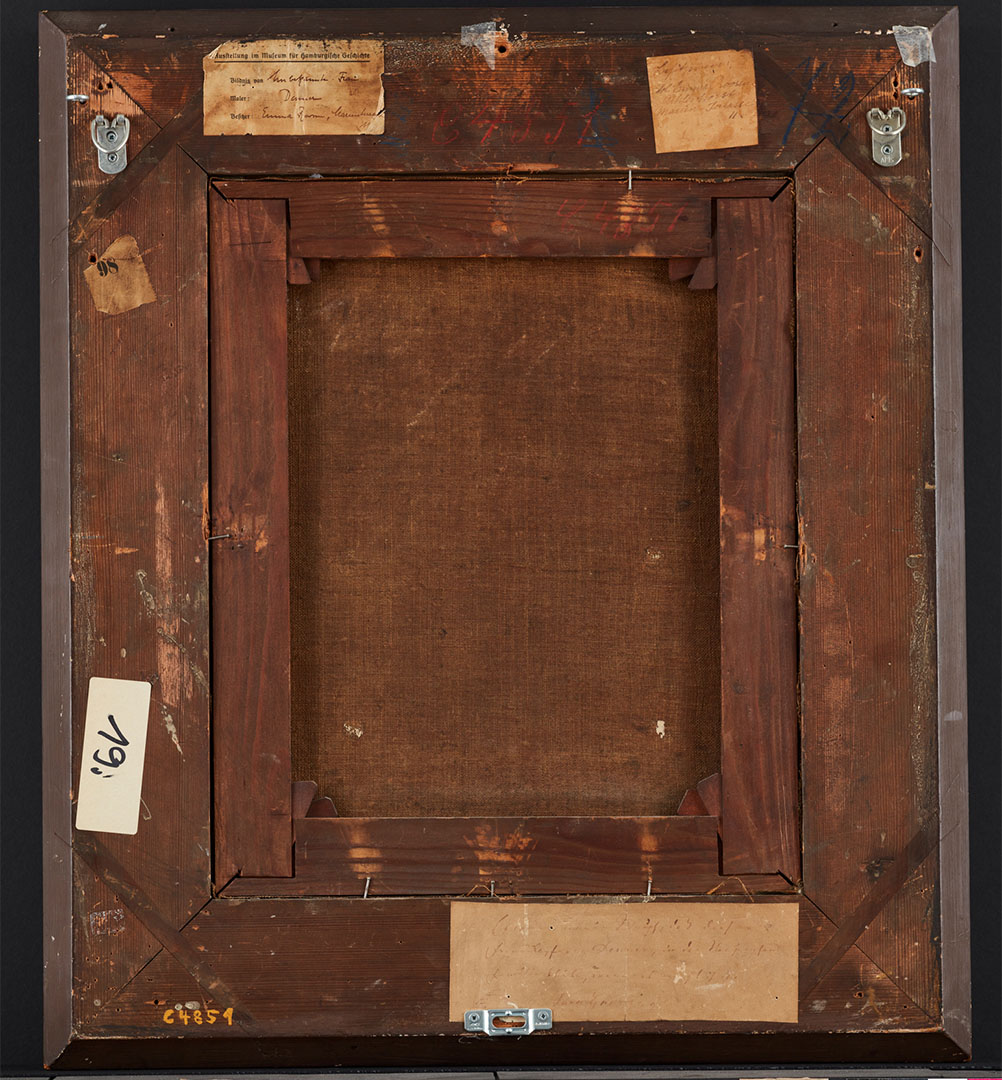
Rahmenrückseite
©MKK, Jürgen Spiler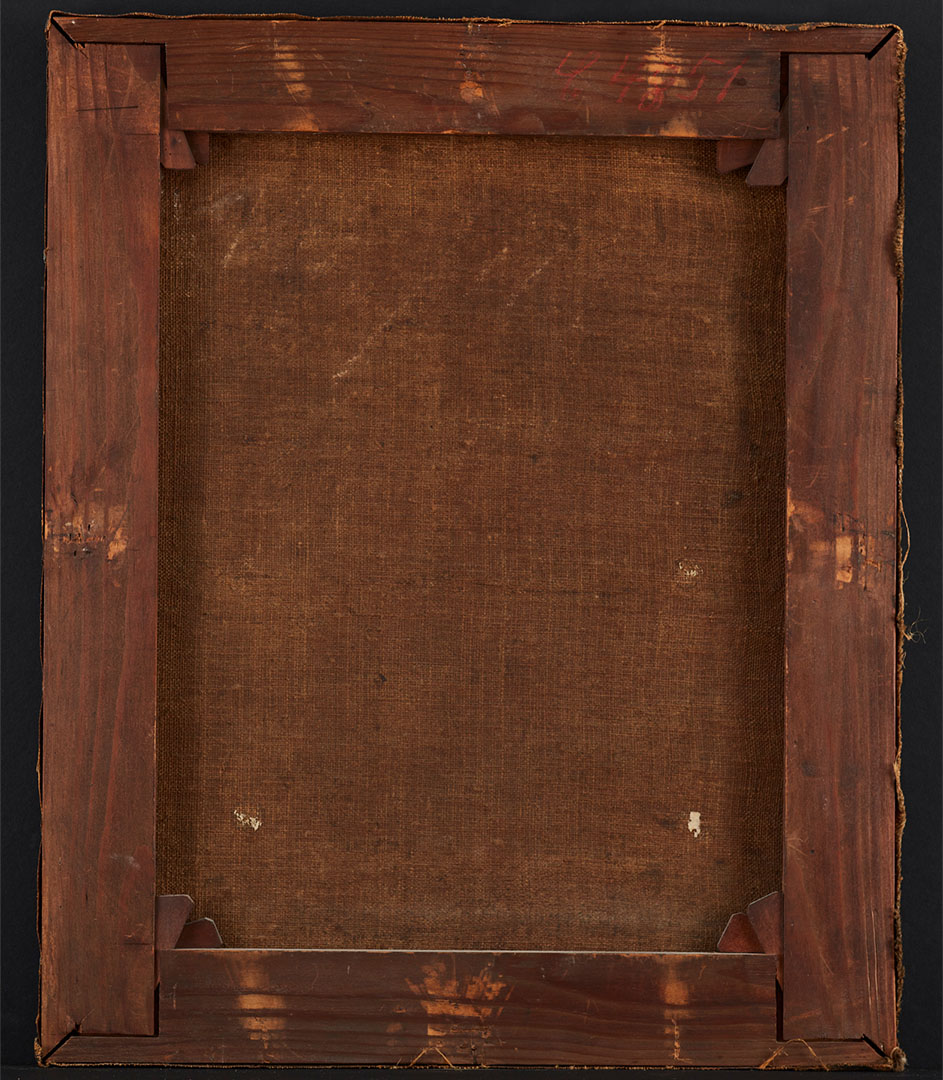
Rückseite Keilrahmen
©MKK, Jürgen Spiler
- Description
- Odyssey of a picture
Odyssey of a picture
Jan 1, 1810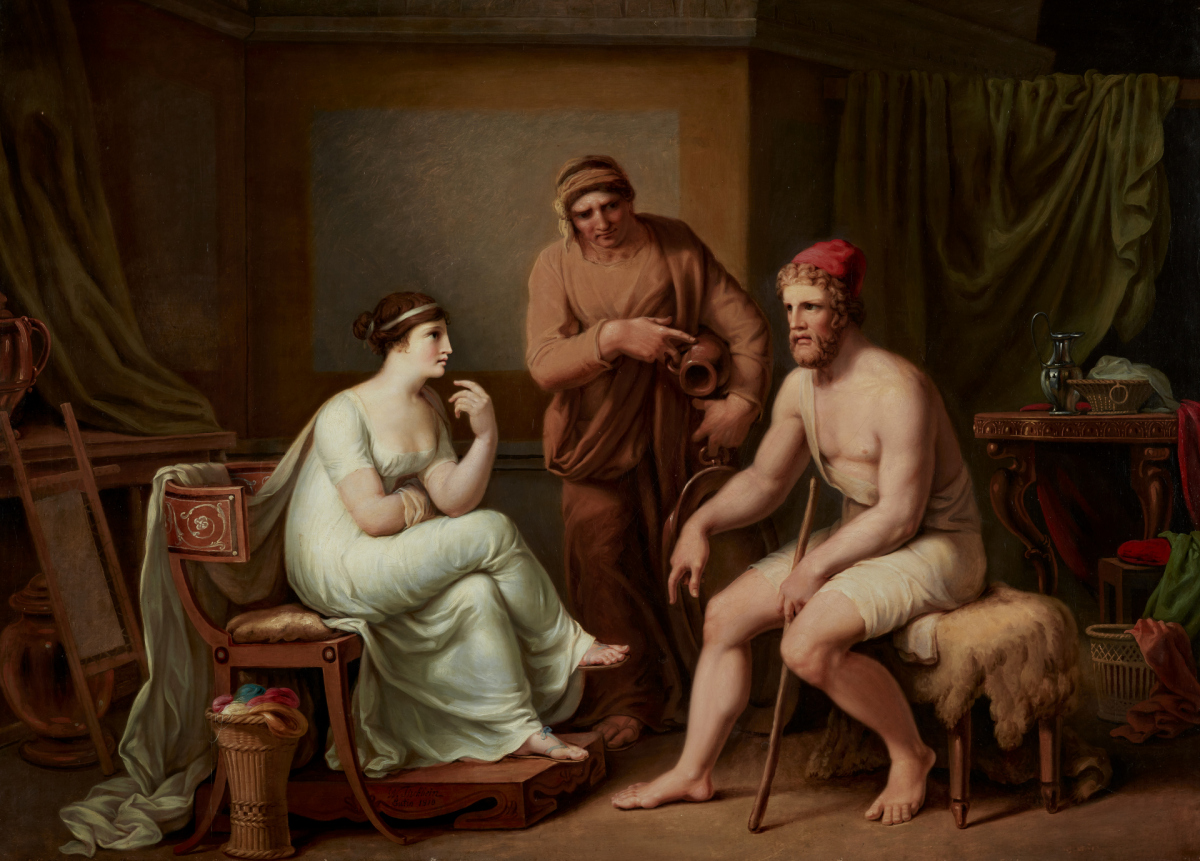
- Origin
Origin
“I have also now finished the painting, Ulysses with Penelope (...) and no matter how often I look at it, I always think it would be perfect for the young royal couple, who love each other so dearly and occupy themselves so nobly, and preserve themselves for each other.”
Letters written by artists - such as Johann Heinrich Wilhelm Tischbein (1751-1829) in 1810 - can provide clues to previous owners: Peter I Friedrich Ludwig, Duke of Oldenburg, gave the painting Ulysses and Penelope, 1810 to his son Prince George and his wife Catherine Pavlovna, Grand Duchess of Russia, who resided in St Petersburg.
The journey of the painting led from Eutin, via Oldenburg and St. Petersburg to Stuttgart. After George's death, Catherine married the future King Wilhelm I of Württemberg in 1816. In 1921, the Stuttgart court art dealer Felix Fleischhauer submitted it for auction to Hugo Helbing of Munich. In 1922, the Munich gallery Heinemann sold it to a buyer in Hamburg. The new owner was presumably the Hamburg metal exporter Jacob Hirsch (1883-1933), who emigrated to Paris in 1932 and died there. In 1942, the Nicolai Gallery in Berlin offered the painting to the Dortmund Museum.
- What does the back look like?
What does the back look like?
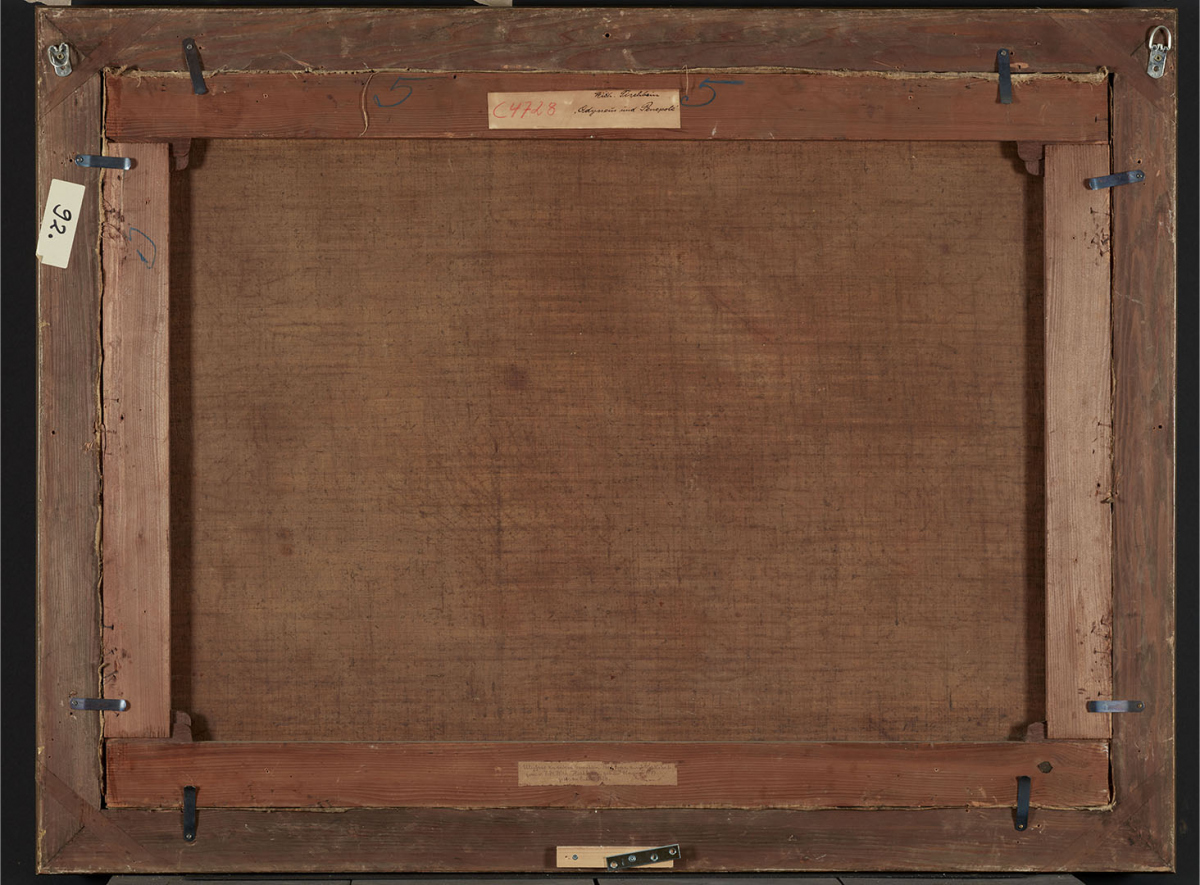
Rahmenrückseite
©MKK, Jürgen Spiler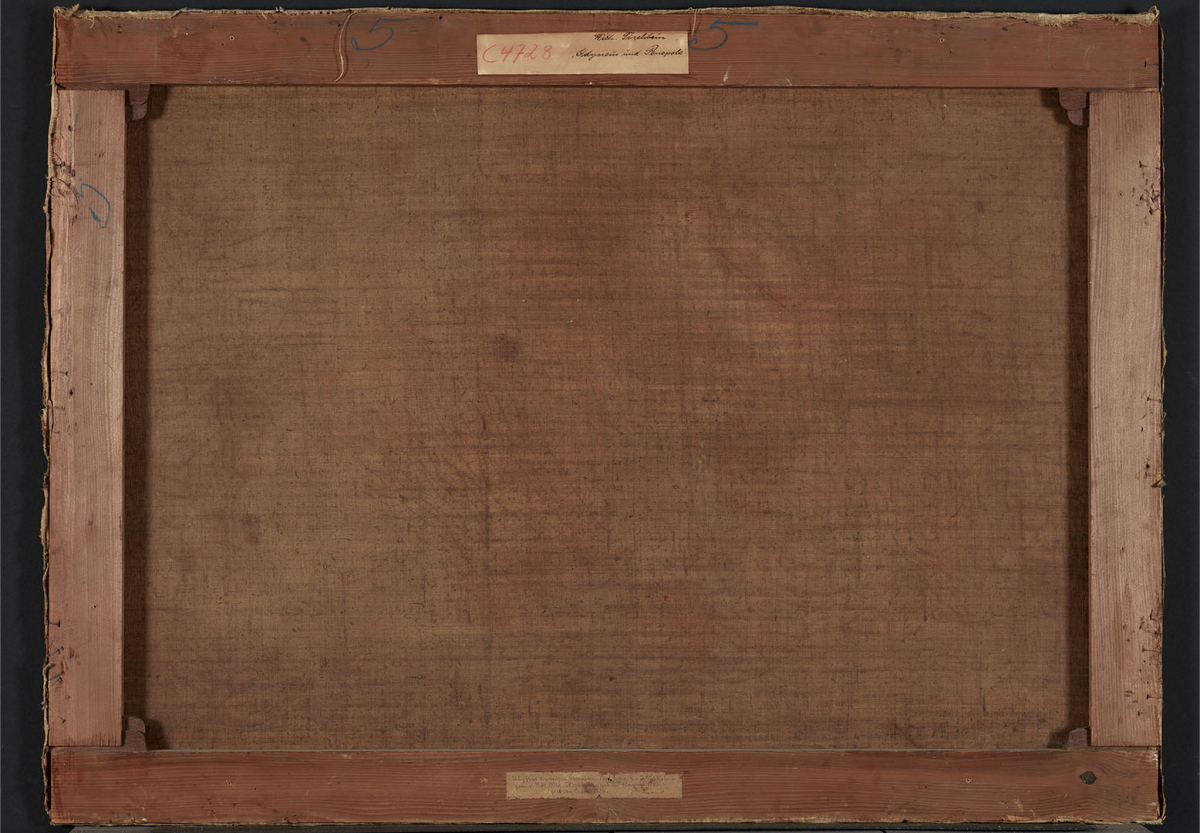
Rückseite Keilrahmen
©MKK, Jürgen Spiler
- Origin
- A carriage ride to Teplice
A carriage ride to Teplice
Jan 1, 1811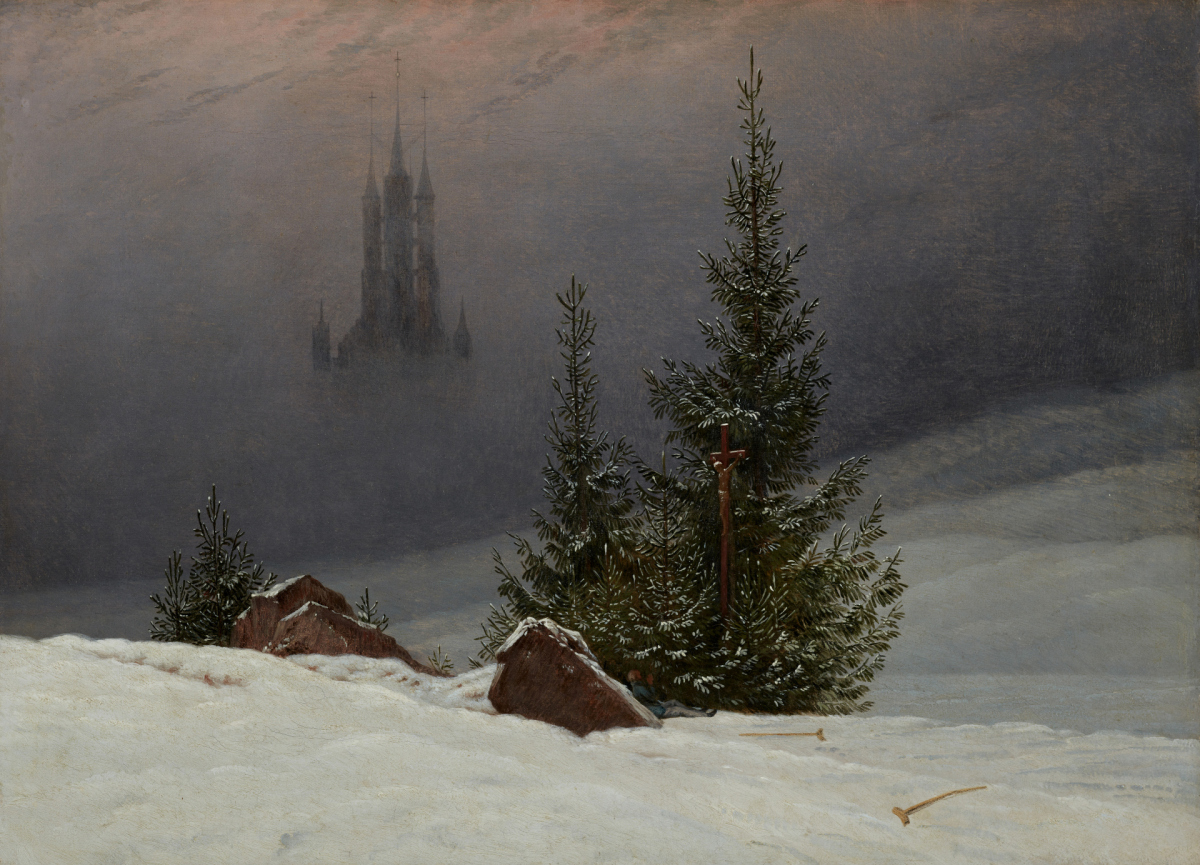
- What do we see?
What do we see?
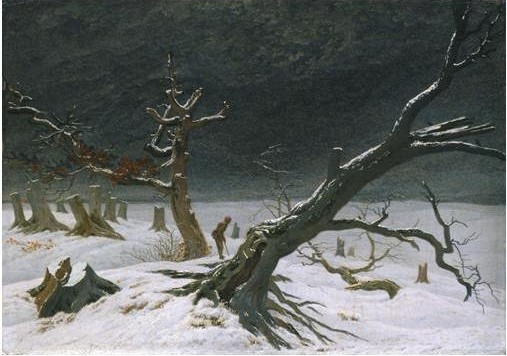
The painting shows a gently undulating snowy landscape in which a group of fir trees rises up before a wall of pale grey mist. In front of it a few boulders are scattered. An old man has thrown aside his crutches and is seated. His face and hands are raised in prayer to a crucifix. A Gothic cathedral looms in the background. It rises like a vision out of the dense fog into the evening glow of the sky.
Caspar David Friedrich painted Winter Landscape in 1811. The painting is oil on canvas and measures 33 x 45 cm.
- What does the back look like?
What does the back look like?
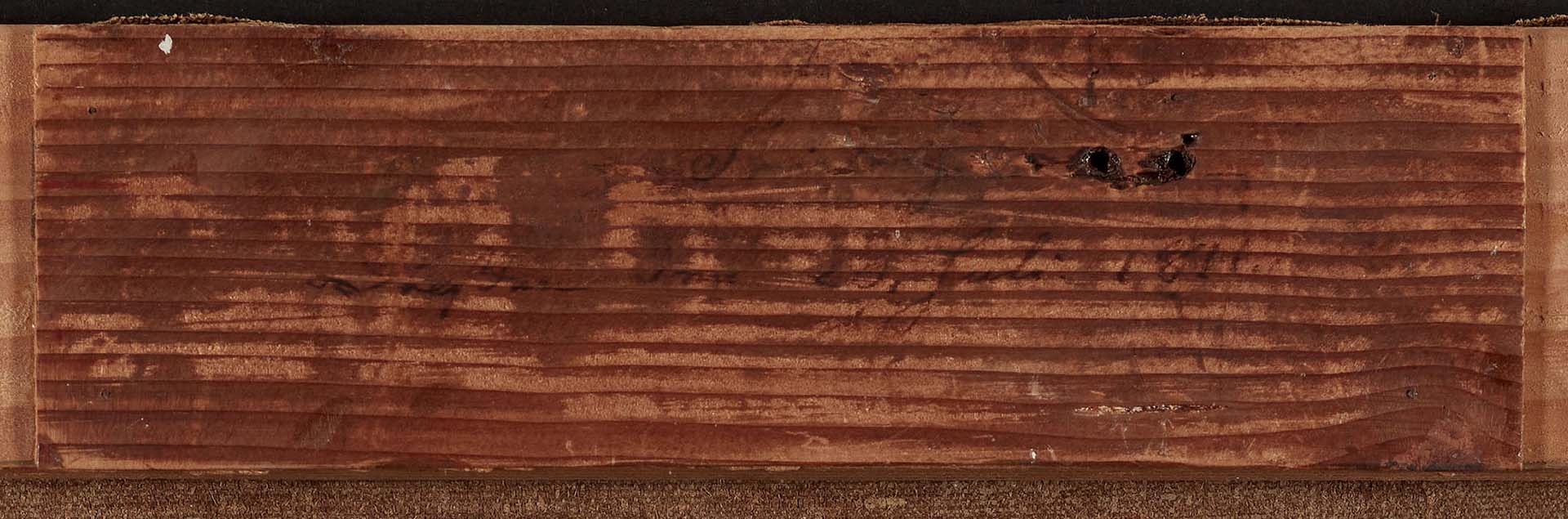
After 1945, the painting was given a new stretcher bar. All that remains of the old one is a piece of wood with the inscription “Friedrich Dresden 20 July 1811”.
Rückseite mit Karton
©MKK, Jürgen Spiler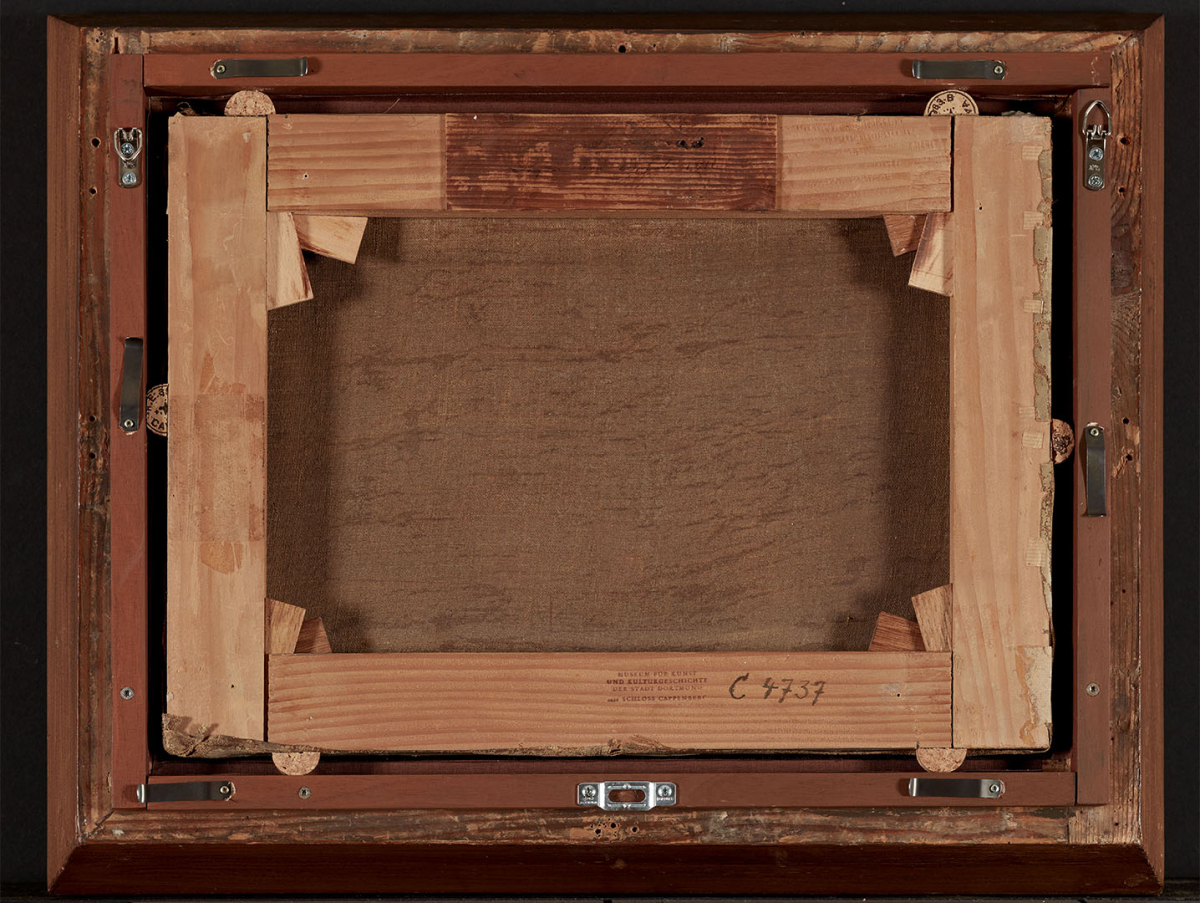
Rückseite
©MKK, Jürgen Spiler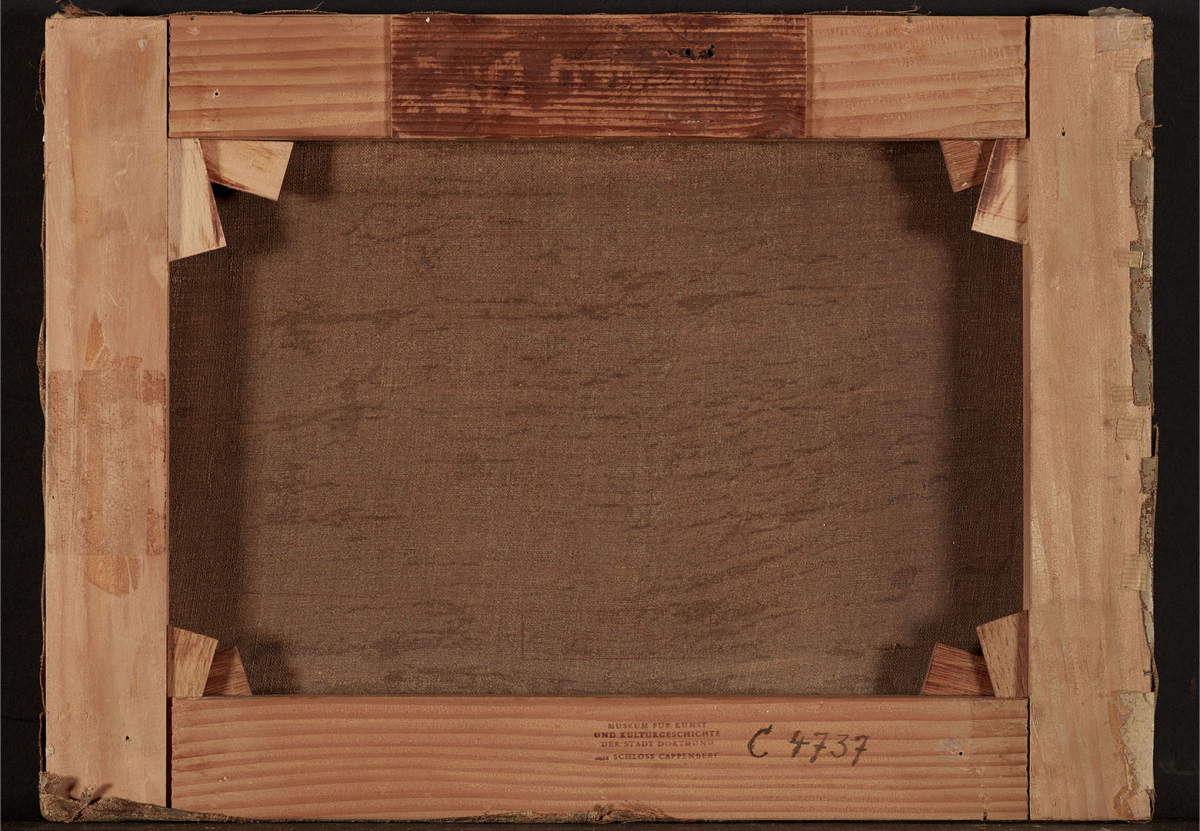
Rückseite Keilrahmen
©MKK, Jürgen Spiler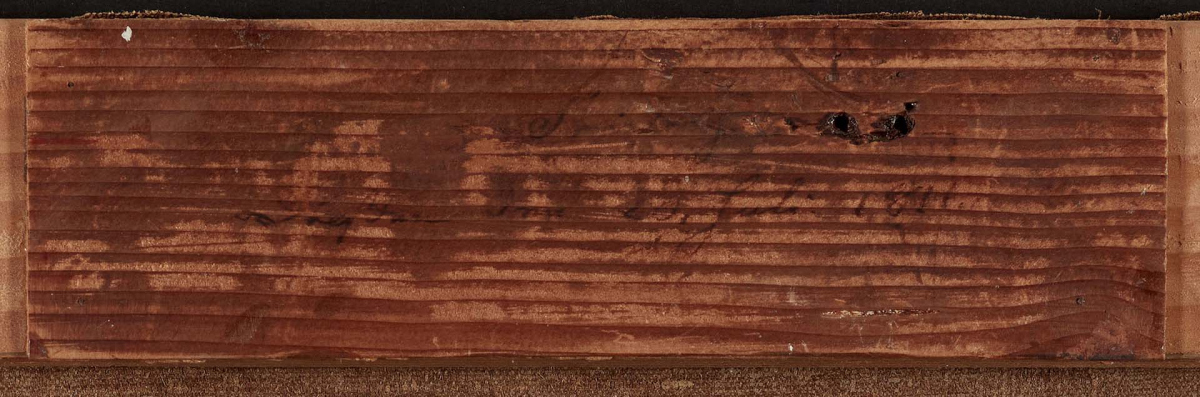
Rückseite Keilrahmen (Ausschnitt)
©MKK, Jürgen Spiler - Are any contemporary commentaries available?
Are any contemporary commentaries available?
The painting was first described in 1811. The Dresden painter Gustav Heinrich Naeke (1786-1835) saw two paintings by Caspar David Friedrich in 1811. He mentioned the counterparts in a letter to the Leipzig lawyer and art collector Ludwig Puttrich.
Friederike Tugendreich Volkmann of Leipzig also saw the two pictures and described them in her diary on 22 June 1811.
They were also mentioned in the Journal des Luxus und der Moden in 1812, 1813 and 1814.
In 1817, Winter Landscape was even honoured with an entry in the Brockhaus Conversation Lexicon, published in Leipzig.
- Where is the counterpart?
Where is the counterpart?
The counterpart painting is now in the Schwerin State Museum. The Ministry of Finance had transferred it to the Schwerin Museum in 1941. Its provenance has not yet been established.
- Which collector is known?
Which collector is known?
One Winter Landscape had become part of the collection of the Leipzig lawyer Ludwig Puttrich (1783-1856) by 1813 at the latest.
The ecclesiastical lawyer of the Upper Court was not only interested in paintings, but also in architecture. In 1835-1852, he published the work Denkmale der Baukunstdes Mittelalters in Sachsen. Puttrich was in correspondence with Caspar David Friedrich and exchanged ideas with art historians and art enthusiasts of his time.
Puttrich's art collection was auctioned in Leipzig in 1850, in London in 1856 and in Munich in 1857. Nothing is known about the painting's subsequent journey. However, it is speculated that it made its way to Silesia.
- Was the painting located in a castle in Silesia?
Was the painting located in a castle in Silesia?
Museum assistant Leonie Reygers had allegedly acquired the painting for the Museum of Art and Cultural History in a castle in Teplice in Bohemia. A search for the location was therefore carried out in 1990, but in vain. In 2018, the theory emerged that it could have been a Silesian castle in the Hirschberg Valley.
As early as the 18th century, this region became a place of pilgrimage for artists and nature-loving travellers. Caspar David Friedrich and his fellow painter Georg Kersting also travelled here in 1810, as the Schneekoppe tourist register attests. After Silesia became a Prussian province in 1815, the Hohenzollerns acquired castles in the Hirschberg valley. The Prussian nobility followed suit.
The castles in the Hirschberg Valley were appropriately furnished with valuable paintings. Was Winter Landscape possibly in Fischbach Castle, the summer residence of Prince Wilhelm of Prussia and his wife Princess Marianne? The king's brother was a passionate art collector. Upon his death, his children inherited the castle. His daughter Elisabeth, who was married to the Landgraf of Hesse and Rhine, wanted to preserve the castle in memory of her parents. Like a museum, visitors could view it for a fee. An eyewitness reported, “In the Red Hall hung a painting of a pilgrim at a cross.” Could this be Winter Landscape? However, no painting by Friedrich is mentioned in the inventories.
- When was the painting purchased?
When was the painting purchased?
In midsummer 1941, numerous German-language newspapers in Germany and abroad reported on the activities in Dortmund: “Dortmund is to get a picture gallery. (...) The collection has already been commenced.”
Although the Second World War prevented the construction of a dedicated building, more than 20 paintings were added to the museum's collection. One of the most important new acquisitions was Winter Landscape by Caspar David Friedrich in 1942, which was purchased from the Dresden art dealer Paul Rusch. It cost 85,000 Reichsmarks.
- What is known about the art dealer?
What is known about the art dealer?
The Rusch art dealership existed from 1920 to 1945 at various locations in Dresden. It was completely destroyed during air raids in February 1945. No business documents have survived.
Paul Rusch (d. 1953) was already dealing in works by Caspar David Friedrich in the 1920s. He had close ties to the Dresden Picture Gallery and its director Dr Hans Posse (1879-1942). In 1939, Posse became a special commissioner for the construction of a huge art museum in Linz. The Linz Special Commission was an unofficial organisation and reported directly to Hitler.
The Dresden art dealer Paul Rusch sold the Dortmund Winter Landscape between 1940 and 1942. It can be assumed that the painting was not his property at this time, but that he was looking for a buyer on behalf of an as yet unknown person. Paul Rusch discovered the painting in an unknown private collection and initially offered it to the Linz Special Commission in the summer of 1940. Hans Posse declined to buy it and noted in his diary on 16 August 1940:
“Rusch with CD Friedrich, Winter Landscape with cross, cathedral in the fog, man with discarded crutches; on the reverse Friedrich 1811 in his own hand; not suitable for us.”
Rusch offered it to the National Gallery in Berlin on 16 March 1941. However, the purchasing commission turned it down due to its price of 85,000 Reichsmarks.
- Are there any replicas?
Are there any replicas?
In the early 1980s, a second Winter Landscape, an almost identical painting, was purchased at Christies by the National Gallery, London. There are several differences between the two paintings, suggesting that neither is a forgery. The most striking difference is that the gate to the church is missing in the Dortmund painting.
The London painting is said to be the original and the Dortmund painting the replica.
- Conclusion
Conclusion
The provenance of the painting has not yet been established. Since the second Winter Landscape came to light, the provenance of the Dortmund painting from the Ludwig Puttrich Collection has been called into question. This is because the London painting could also have been located there.
- What do we see?
- To view from the gallery Luz
To view from the gallery Luz
Jan 1, 1852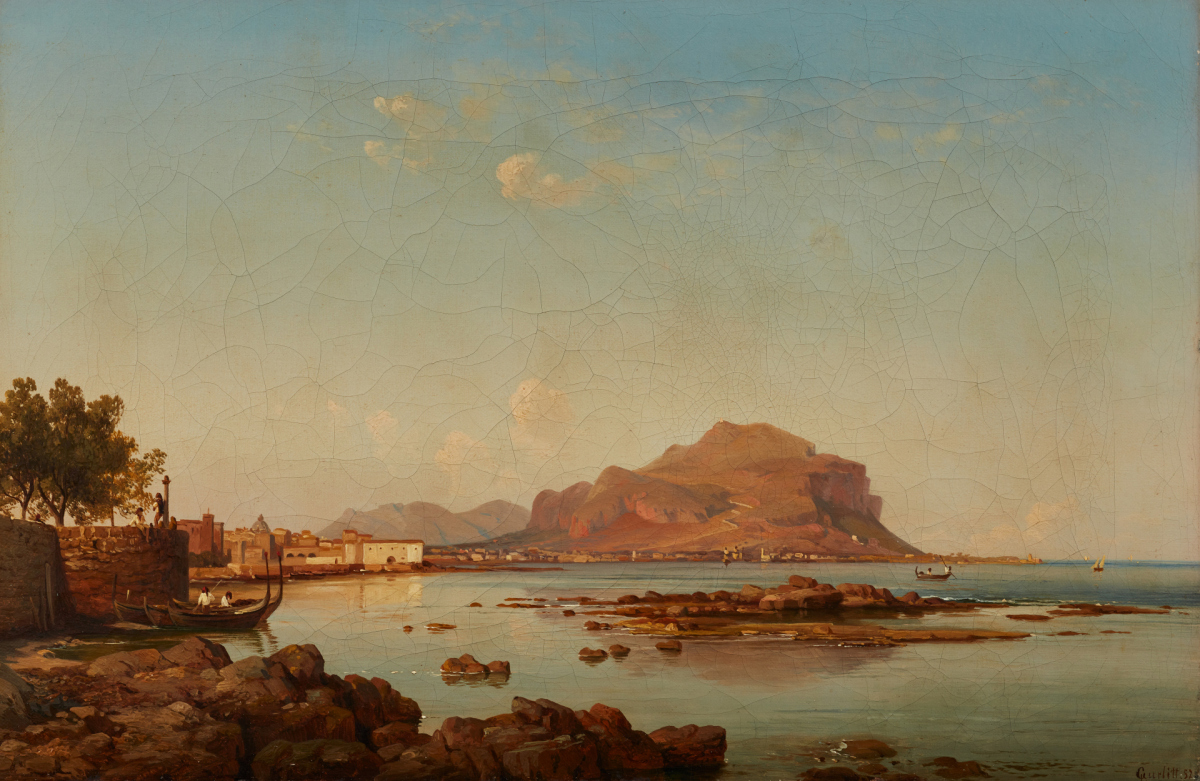
- Description
Description
Dr Wilhelm August Luz (1892-1959) was one of the most prominent art dealers in the Reich’s capital, Berlin. His gallery specialised in paintings from the Romantic period. Adolf Hitler was one of his customers, as was Dr Hans Posse, the Special Commissioner in charge of setting up the Hitler Museum in Linz. Luz had good relations with the Berlin National Gallery and also supplied many German museums with 19th century art. Initially, he offered his paintings at favourable prices. However, the Second World War caused his prices to skyrocket, although this did not dampen the museums' eagerness to buy. Between 1939 and 1948 the Dortmund Museum acquired ten paintings for 107,650 Reichsmarks. As the business records of Dr Luz’s Gallery are said to have been incinerated in the post-war period, little is known about the provenance of the paintings.
- Origin
Origin
Text fehlt
- What does the back look like?
What does the back look like?
Rahmenrückseite
©MKK, Jürgen Spiler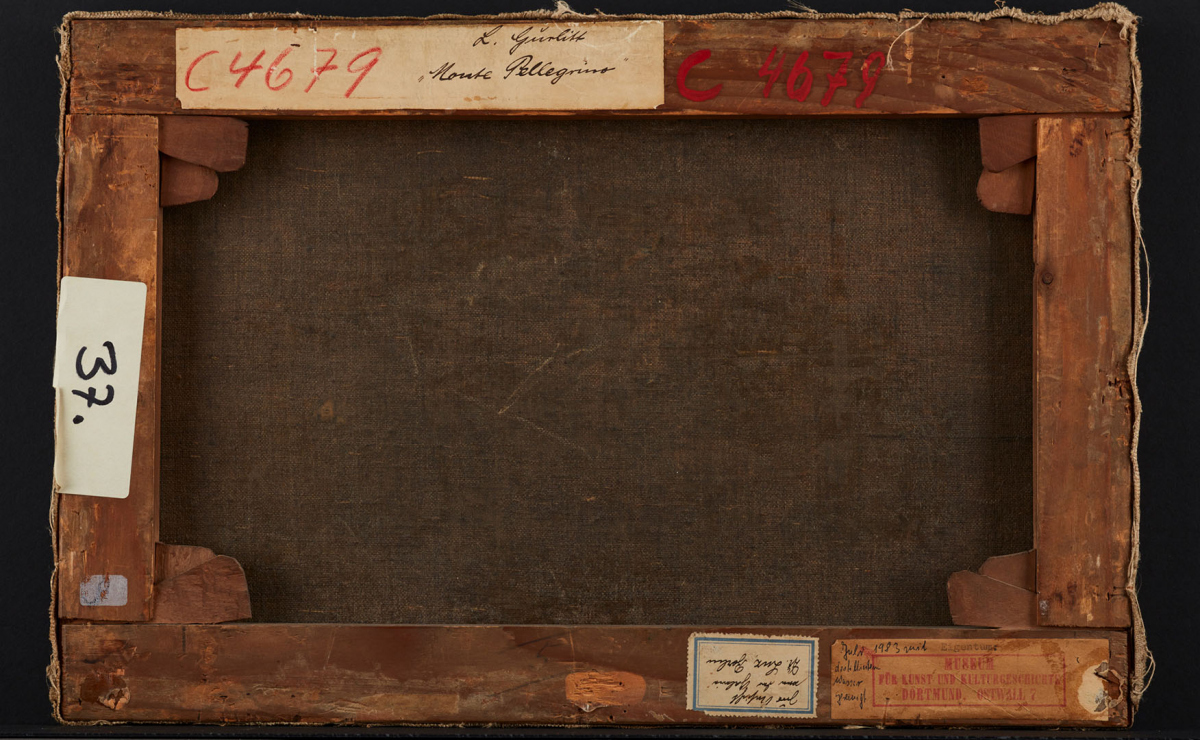
Rückseite Keilrahmen
©MKK, Jürgen Spiler
- Description
- The Reich Treasure
The Reich Treasure
Jan 1, 1862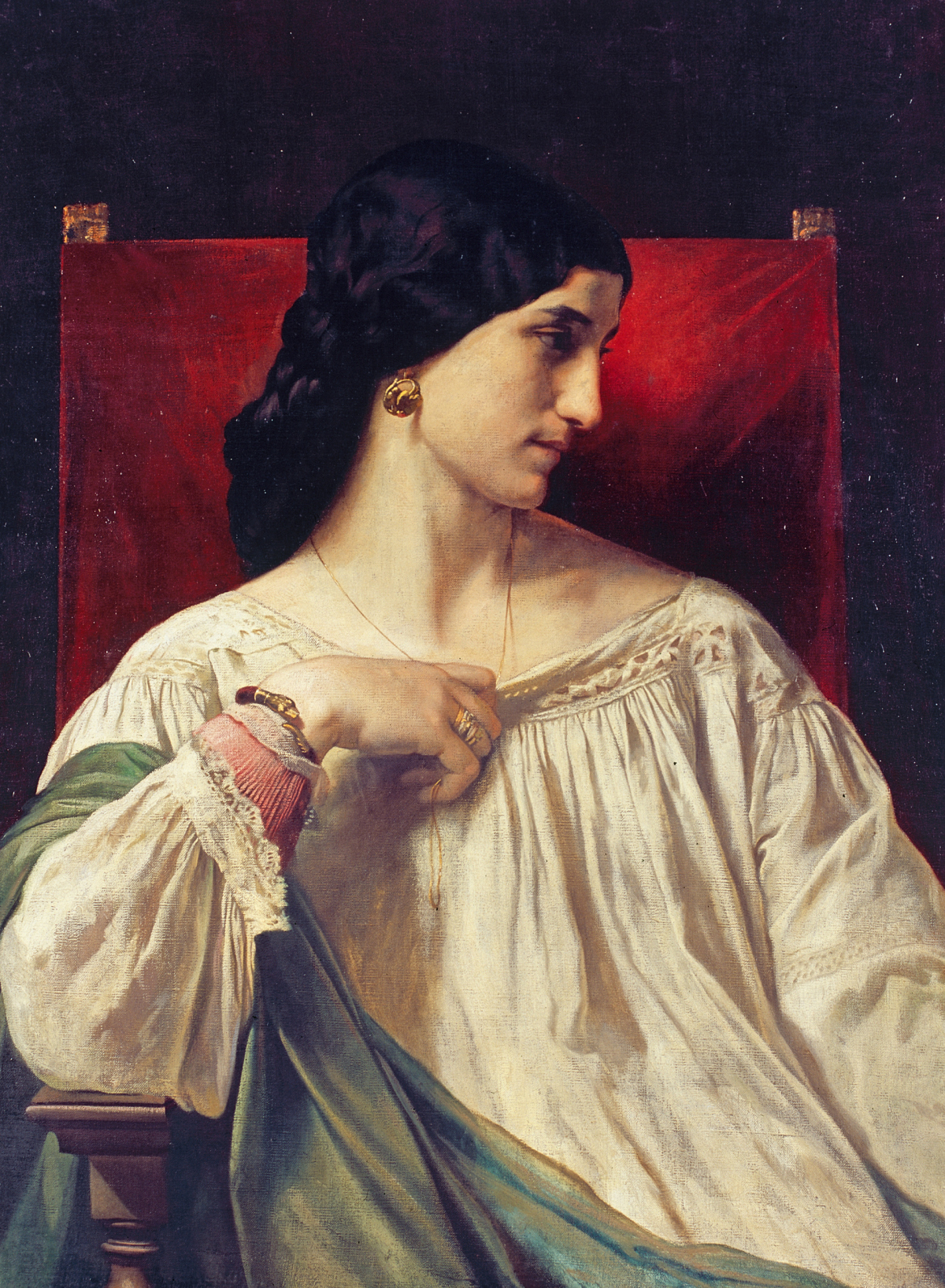
- Description
Description
After the end of the Second World War, the Allies confiscated the collection of the planned Führer Museum in Linz as well as works of art owned by high-ranking Nazi officials. They interrogated all those involved and began the restitution process. If there was no evidence of unlawful confiscation, they were released as loans to the museums. Numerous paintings, graphic designs, furniture and decorative arts were thus transferred to the Museum of Art and Cultural History.
- Origin
Origin
After Anselm Feuerbach's death, the painting Nanna came into the possession of the Heidelberg medical officer Dr Franz Wolf. It entered the market via his granddaughter in 1935. The photographer Heinrich Hoffmann acquired the painting at the Ludwigs-Galerie in Munich, probably on behalf of Adolf Hitler. There is evidence that it hung in the sitting room of Hitler's Berghof residence in the Obersalzberg near Berchtesgarden.
- Description
- The Loss of Modernity
The Loss of Modernity
Jan 1, 1902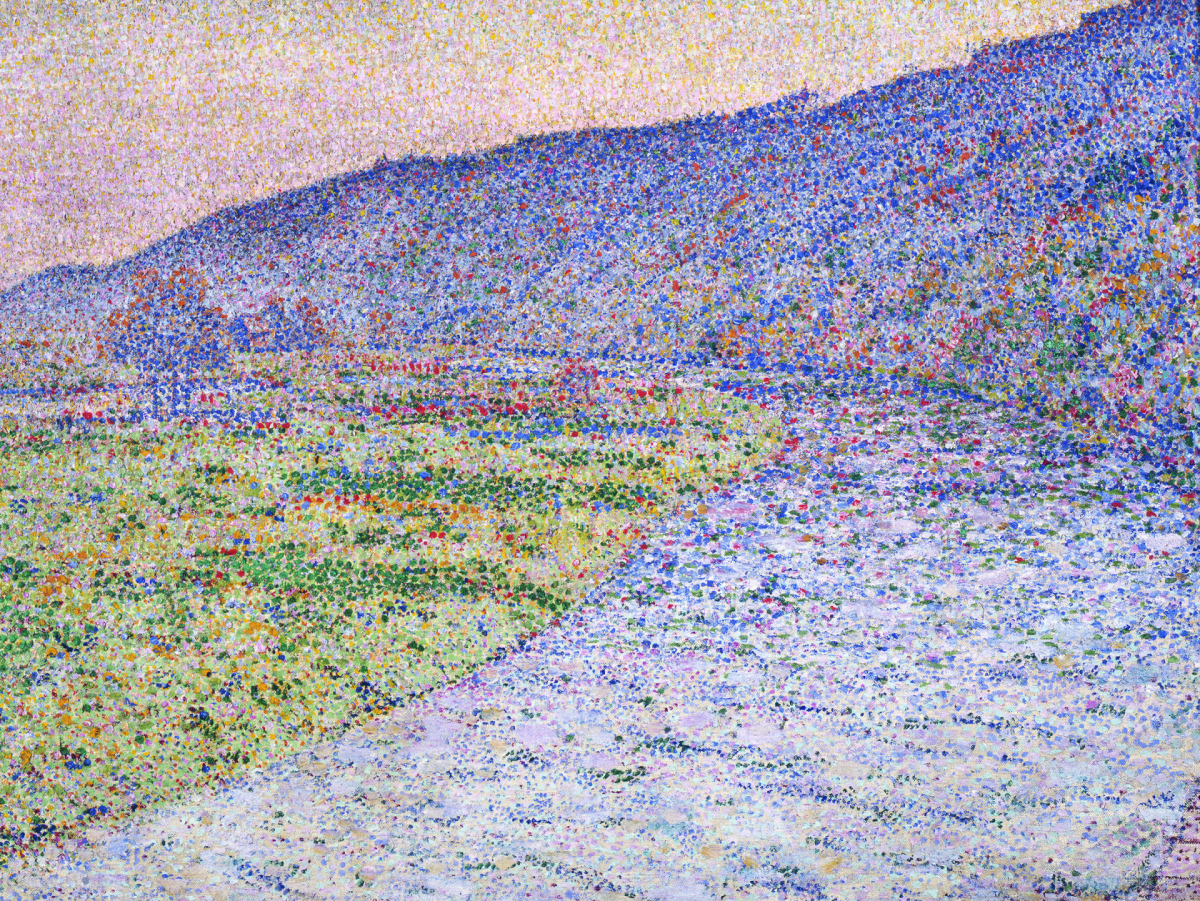
- Description
Description
From 1933, the Nazis turned their attention to classical modernism. Their smear campaign reached Dortmund in 1935. An exhibition entitled Degenerate Art was staged in the Haus der Kunst featuring paintings by Paul Klee, Georg Grosz and Otto Dix. They intensified their propaganda in 1937 with the Great Anti-Bolshevik Exhibition at the Teacher Training College. Its Cultural Bolshevism section adopted the aesthetics of the Degenerate Art exhibition in Munich of the same year. In August 1937, a commission of the Reich Chamber of Culture confiscated 11 paintings, 1 sculpture, 81 graphic works and 25 graphic portfolios from the Museum of Art and Cultural History.
- Origin
Origin
This included the painting The Ruhr Valley near Herdecke, originally entitled Blue Hills. Düsseldorf gallery owner Alfred Flechtheim (1878-1937) had donated it to the Dortmund Museum in 1922. After it was confiscated, the Nazis removed the initials ‘CR’ to make the painting easier to sell. In 1954, it was repurchased by the Ketterer Kunstkabinett in Stuttgart.
- Description
- Import from France
- Game